

A Cure for What Ails Us
What I’m Reading

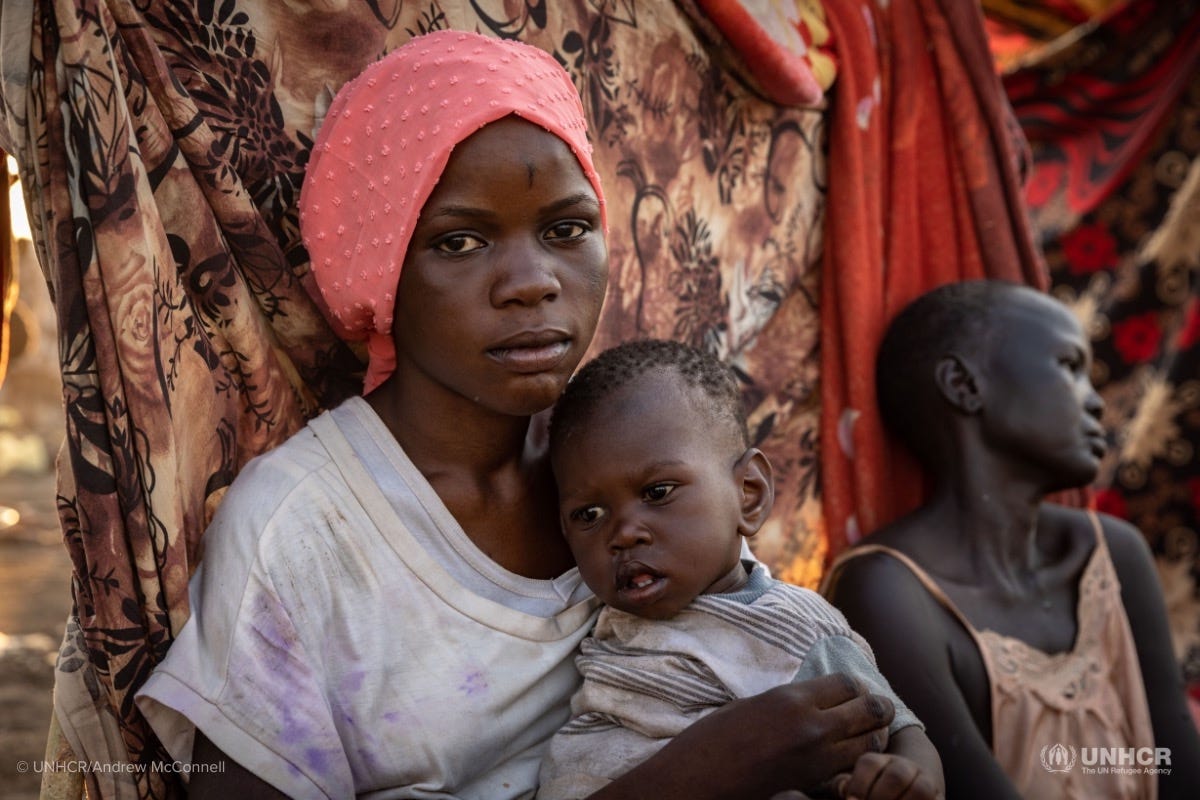
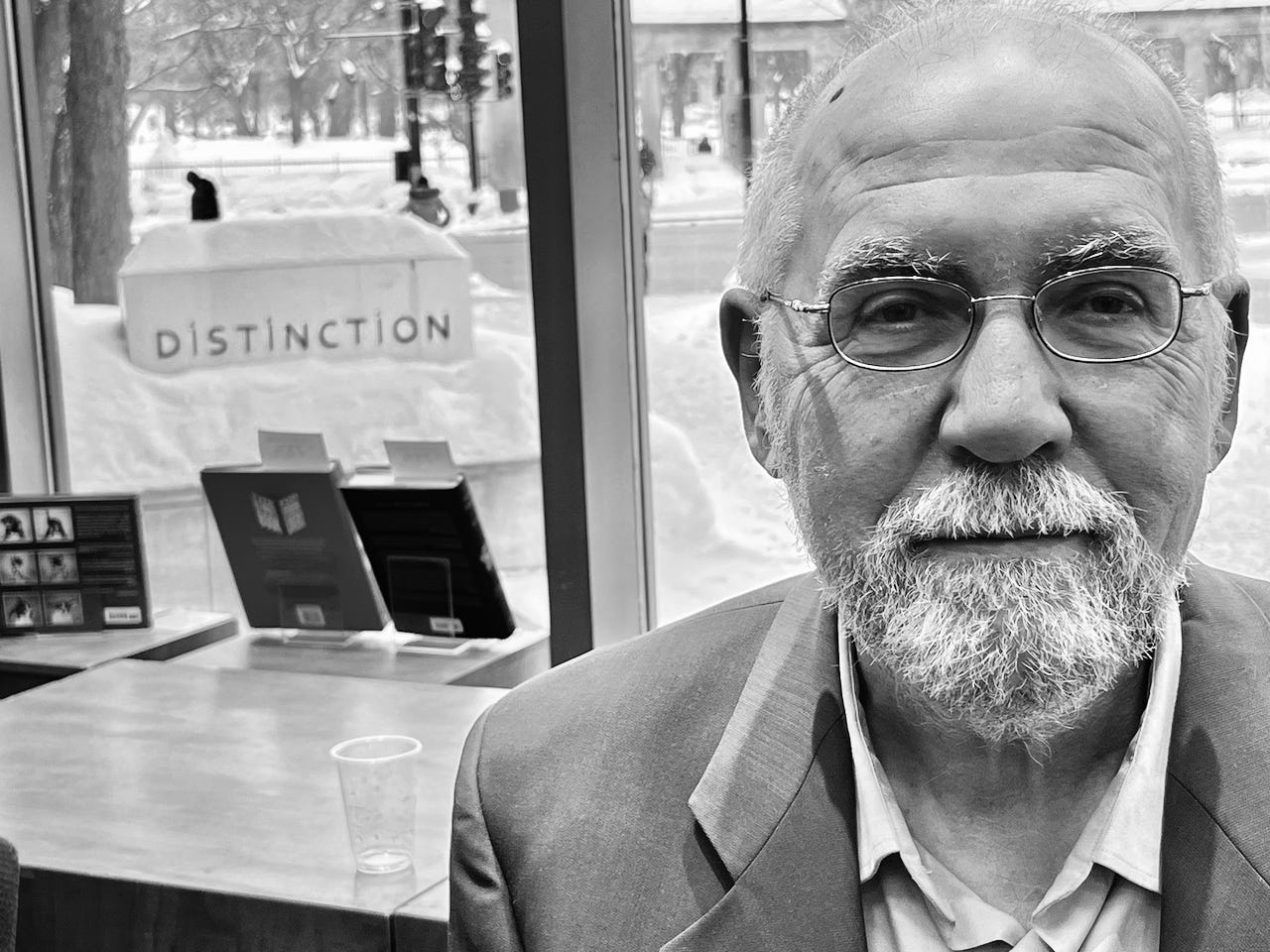
Friend and colleague Mark Abley describes how he came to write Numb, a book for our times. It’s one of many works of non-fiction and poetry he has published over the years.
“Imagine there’s no countries – it isn’t hard to do.” I was in my last weeks of high school when John Lennon recorded his most famous and beautiful song. “Nothing to kill or die for, and no religion too.” In 1971 the Vietnam War continued to rage; India and Pakistan stood poised on the threshold of conflict; the Troubles were bubbling over in Northern Ireland. Yet I don’t think anyone in my Saskatoon school felt overwhelmed by world events. “No need for greed or hunger: a brotherhood of man.” “Imagine” was a song of hope.
Later that year the principal of the University of Saskatchewan cancelled classes for a day. Why? So that students, staff and faculty could protest the U.S. decision to explode a massive nuclear bomb below a wildlife sanctuary off the coast of southwestern Alaska. Amchitka Island is three time zones away from Saskatoon, yet distance seemed irrelevant as I and hundreds of other young people marched through the city’s dust-grey streets, singing with both hope and anger. I don’t suppose any of us asked whether there was a hog’s chance in hell that the Nixon administration would heed the voices of Canadian students.
Those long-ago moments were on my mind last summer, many months before the United States launched a war on Iran, but nearly two years into the destruction of Gaza, more than three years after the Russian invasion of Ukraine, and who knows how many years after the collapse of Haiti and Congo and Sudan. Last summer, for our own sanity, many of us were limiting our exposure to the news. Gradually – or perhaps suddenly – lots of people were becoming aware of the horrific risks of AI. We already knew, but preferred to ignore, the massive impacts of climate change. Hope was a word that smacked of nostalgia.
Then, out of the blue, I received an email.
The email came from Leila Marshy, a writer who shoulders many of the editorial duties at a Montreal publisher named Baraka Books. The press, she told me, would soon be launching a series of short works on topical issues. Would I like to join their list? I proposed a topic, and after talking to Robin Philpot, Baraka’s founder and publisher, Leila agreed. Which is why, unexpectedly, I found myself with a deadline.
The topic I suggested is not a happy one. But it’s one, I suspect, that might resonate with many people: numbness. The feeling of being overwhelmed by public events. The urge to hide from information. The sense that the world is spinning out of control, economic pressures being heightened by political decisions, ecological devastation being worsened by military actions, psychological tensions being brought to a head by technological changes that are usually described as “advances.” Has there been a single newscast in the last year without a threat or a boast or an insane blurt from the US president? Hope can seem a noun from the previous century. Faced with all of this, how can we flourish – indeed, how can we cope?
That’s what I’ve tried to write about in Numb: The Politics of Overwhelm. It’s not a self-help book; in it, I try to explore what feels like a veiling of the soul. Sure, I’ve outlined a few practices that can stave off helplessness and lessen despair: sharing laughter and stories with other people, avoiding social media, forging a more intimate relationship with the natural world, and so on. None of this will reduce the evil in the White House or anywhere else. But it can change what goes on inside our heads. It can give us the strength to resist.
The writing of Numb gave me a personal lesson. Leila’s email arrived at a moment when it seemed I had nothing much to do in life except watch Netflix, read books, tend my garden, and potter around the little town where I moved in 2024. Now, suddenly, I had a goal. In order to write even a short book, I needed to call on both my imagination and my intellect. And the writing restored me. It gave me a private incentive to resist the evils of the public sphere. It showed me that numbness can grow not just from feeling overwhelmed but also from feeling purposeless.
“Imagine all the people, sharing all the world.” Do you also write? Perhaps you paint, or act, or make music. No matter your age, you’re someone with the gift of imagination and the power of resistance. “You may say I’m a dreamer, but I’m not the only one.” I don’t believe it’s ever too late to create, to resist, to imagine.
The streets are waiting for our songs, old and new. This is no time to abandon hope.
Mark Abley’s new book Numb: The Politics of Overwhelm will be launched at Librairie Pulp Books and Café at 3952 Wellington Street in Verdun, on May 28 at 7 pm. On June 4, Mark will appear at the Atwater Library’s Lunchtime Series in conversation with Bryan Demchinsky, 12:30 to 1 p.m. To register and get the Zoom link, click here.
 | A guest post by
|
Having read other books in the Abley oeuvre, I am very much looking forward to this perspective on our response to the continuous barrage of information. Mental numbness may be more adaptive than the neurological one in my left foot when I sit with my legs crossed too long. It was great to see Mark’s beatific gaze at the bottom of the post, still recognizable from 1975 when we were students together. Glad you are back in your writing saddle!
Looking forward to seeing you at the Atwater Library event with you and Bryan,