

Promises to Keep

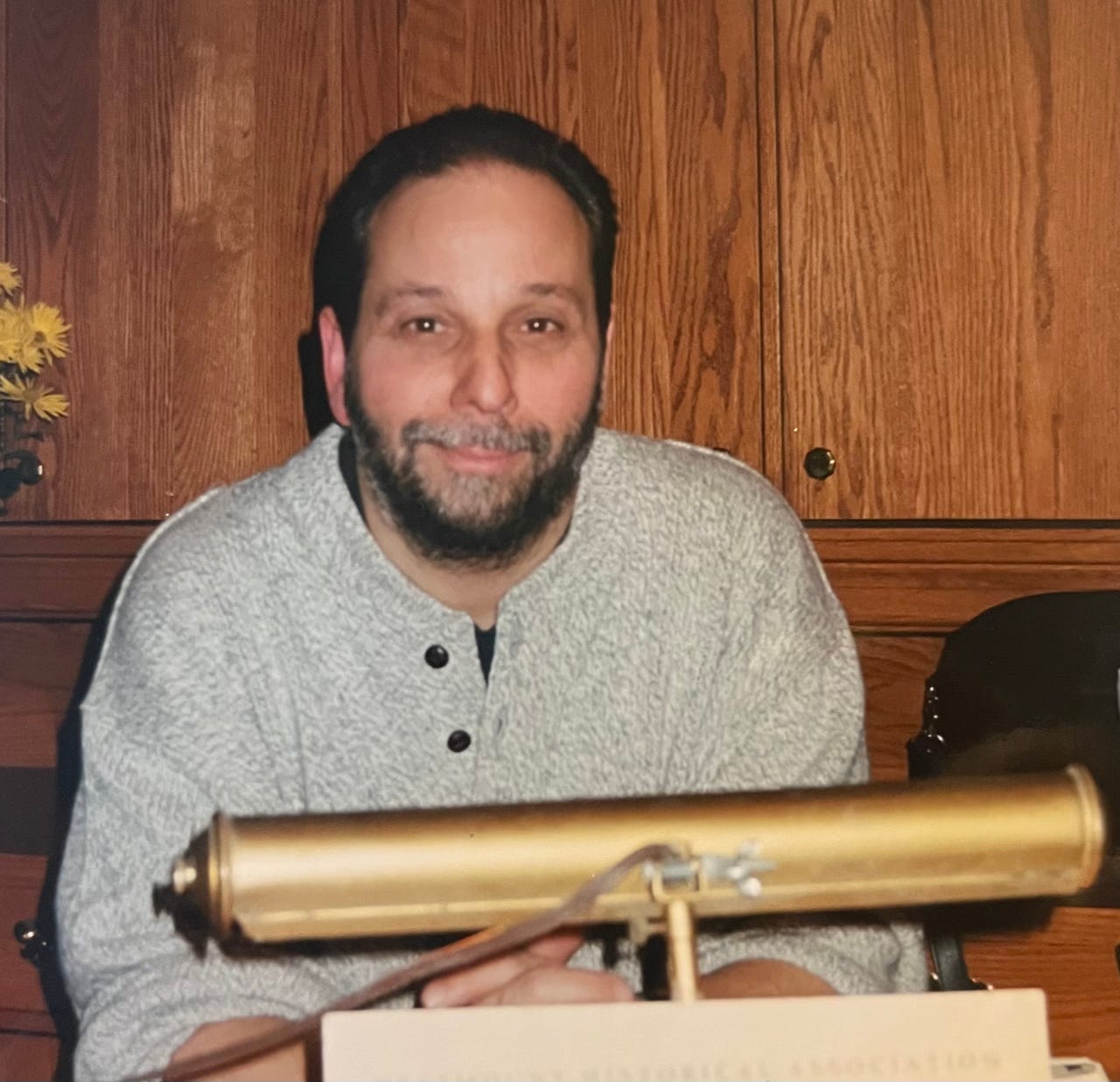
Today, Elaine Kalman Naves joins me in a tribute to our friend Joel Yanofsky and his new book.
I remember the phone call. It was in November 2020. My writer friend Joel Yanofsky was on the line. His voice was raspy, subdued.
“I don’t think I’m going to make it,” he said. “I want to give you what I’ve been working on. Maybe you could do something with it. Pull something out, read it at my graveside.”
Those were crushing words, a possibility that I did not want to contemplate.
“Yes, of course I’ll do something, and Elaine will help,” I said. Elaine was Elaine Kalman Naves, a close friend of ours, and a fellow writer.
How quickly things went from there. By December Joel was gone, taken by the colon cancer that had been diagnosed only a few months earlier. There hadn’t been time – or the will – to “pull something out” of the pages he had given me for a graveside recitation.
All who knew Joel were left with their grief, but Elaine and I had also our promise to him.
It was easily put aside in the bitterly cold winter that followed. Elaine and I were engaged with our own work, and it felt too painful, too soon, to re-open the wound of Joel’s passing. Also, I had looked at the pages he had given me, and I saw what seemed, at most, half a book.
Months passed. Then, at the unveiling of the monument at Joel’s grave, Elaine addressed him:
“Bryan and I made a promise, and we’re going to keep it.”
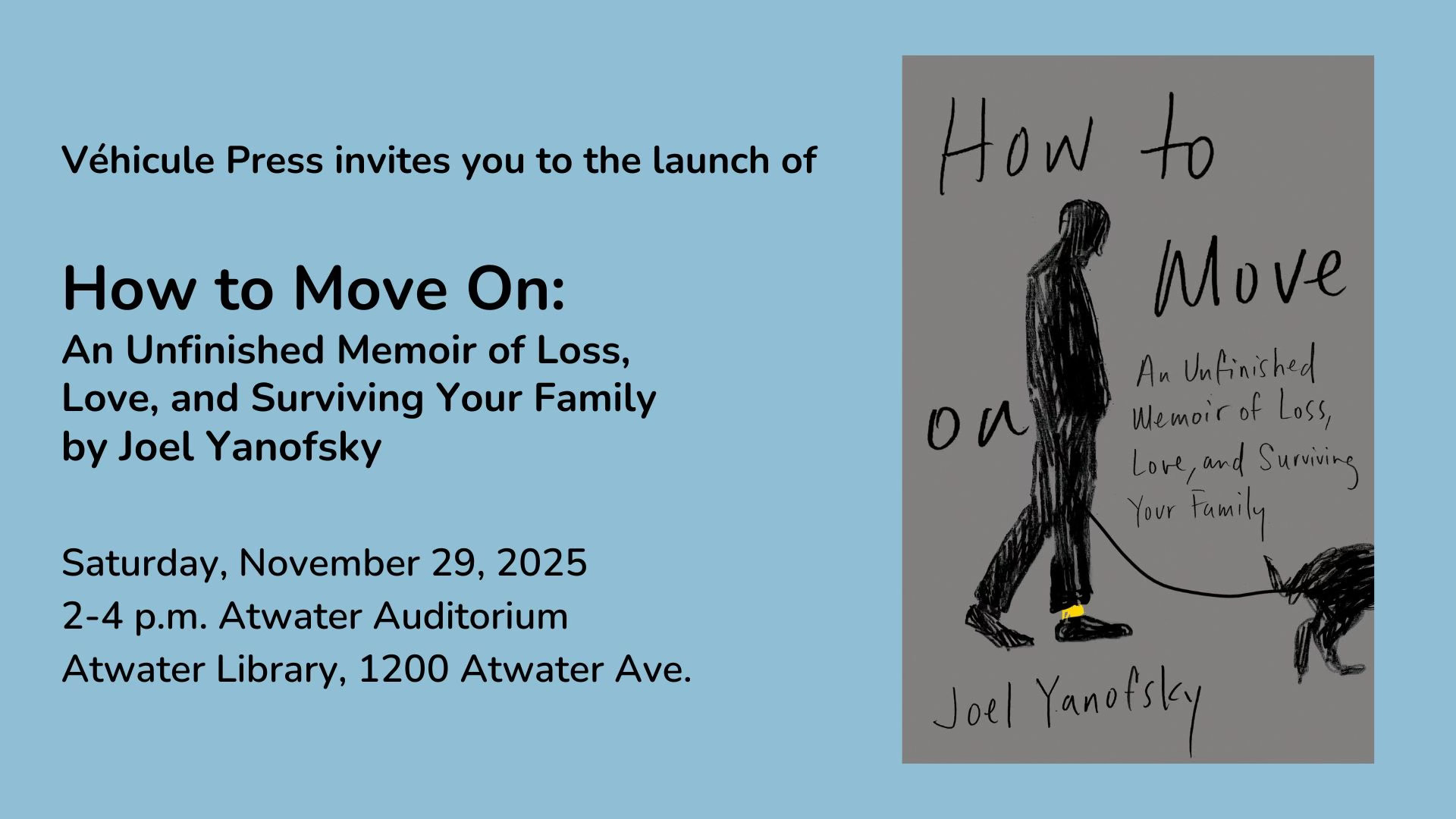
Soon after, work began. As Elaine explains below, she had many pages of what Joel had been working on. For months they had been collaborating on their respective books. Now she and I were the collaborators, and between what she had and what I was given by Joel, we thought we could stitch together a book. Not the book Joel would have written, since he was still feeling his way into the story, and of course it would have to be a book with a few threads left dangling because we did not want to add any of our own words to it. But a book nevertheless, and one we are happy to have helped birth. How to Move On: An Unfinished Memoir of Loss, Love, and Surviving Your Family, will be launched Saturday.
•••
Elaine picks up the thread, describing how her collaboration with Joel and the friendship between them made the book possible:
How do you sum up a friendship? You can’t. It has a backstory, it evolves, sometimes it runs aground, occasionally it deepens and marks you.
Before we became each other’s mentors, Joel and I worked alongside each other rather than with each other. We both wrote for The Montreal Gazette’s Books section, later we both taught writing at the Quebec Writers’ Federation, and, of course, we both wrote books. I was the age of Marilyn, his older sister, yet for a long time he was way ahead of me in the freelancer’s game, and I was playing catch up.
In the mid-90s, Bryan, who was Books editor at The Gazette, gave us a column space to share. We wrote reviews, interviewed authors, sounded off from time to time. On one occasion, Joel opined about what he held to be a sudden burst of upstart female talent stealing the literary limelight from men writers. (It might have been the founding in 1996 of the Orange Prize for women fiction writers.) I worked myself up into a state of righteous feminist indignation. Citing Jane Austen and George Eliot among others, my next column managed to pass Bryan’s editorial muster and bore the headline “An Open Letter to My Esteemed Colleague.” Joel never said a critical word about it to me, but Bryan later divulged that he had observed with some chagrin, “Couldn’t she have just picked up the phone?”
From these early beginnings we forged a collegial relationship that led to something rare. Eight years ago I suggested that we share and critique our respective new work-in-progress. In his case that became his memoir How to Move On. We met once a month and listened to and mostly heeded each other. We probed and elicited what lay behind a nebulous thought or incomplete scene. We entrusted to each other our most vulnerable places. That isn’t easy to do with a colleague or a buddy, and I found it exceptionally hard to do with a man as my first reader. But Joel made it possible. He encouraged me; sometimes he egged me on to be even more revealing than I already was. Joel believed in pushing the personal in personal writing.
I think I helped him to see the potential in writing about his family of origin as well as the one he and his wife Cynthia built together. Each time he wrote a new chapter, he called it Chapter One. It was both endearing and inspiring how he kept on striving to start the story in new and better ways. He had an iron work ethic. After Marilyn died, he picked up the pen and kept writing. When he got sick, he kept on writing. He was the sweetest and funniest and most persevering friend I’ve ever had.
This is very touching, and you both have done your friend a great service by taking on the challenge of finishing his work. I never met Joel, but I once had a telephone conversation with him. I asked him why he had written that he disliked the novels of a certain writer. His response was so crisp, so devastating, that I had no comeback. I could only admire his way with words.
‘Pushing the personal in personal writing.’ I get it Elaine. Reminds me of the course I took with Joel- The Art of Confession.
Bryan, you said it so well when I saw you- how it felt good to be communing with Joel again as you went through the writing process. What a unique experience, completing a friend’s book. Kudos to you both.